Bringing a new puppy home is exciting, but it also comes with important health responsibilities. Puppies grow rapidly in their first few months, and even small health issues can become serious if ignored. Knowing when to visit a veterinarian helps ensure your puppy stays healthy, safe, and happy.
First Vet Visit: As Soon as Possible
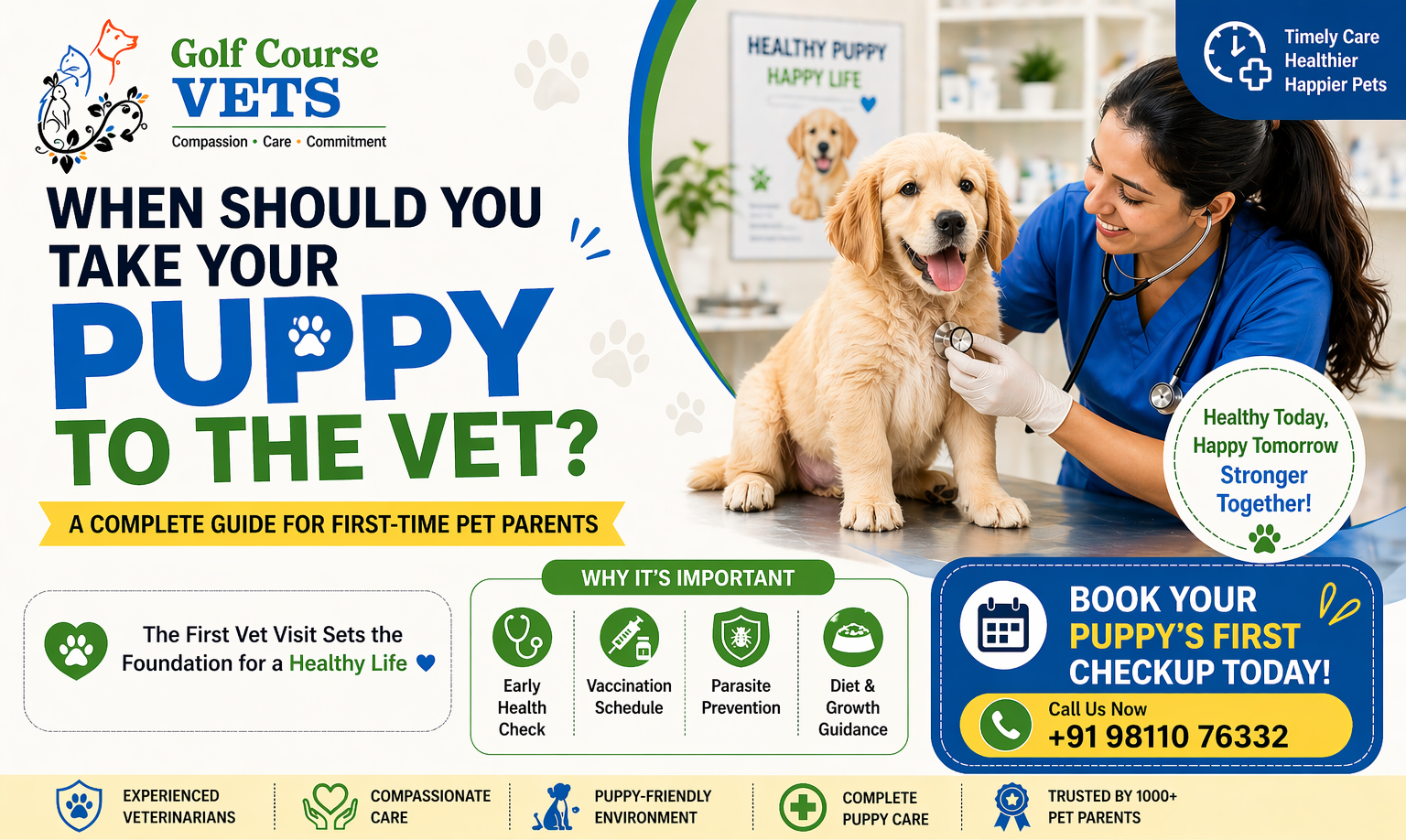
A puppy should see a veterinarian within the first few days of coming home. This initial visit helps establish a health baseline and allows the vet to check for congenital issues, parasites, or early infections.
During this visit, the vet usually performs a physical examination, discusses vaccination and deworming schedules, and provides guidance on nutrition and basic care.
Vaccinations and Deworming Appointments
Regular vet visits are essential during the vaccination period, typically starting at 6–8 weeks of age. Puppies need multiple booster shots over the next few months to build strong immunity.
Deworming is equally important and is usually scheduled every 2–3 weeks in the early months. Missing these appointments can leave puppies vulnerable to serious infections.
When your Puppy Shows Warning Signs
Some symptoms should never be ignored and require immediate veterinary attention. These include persistent vomiting or diarrhea, loss of appetite, extreme lethargy, fever, coughing, difficulty breathing, or sudden behavioral changes.
Crying in pain, limping, or swelling are also signs that your puppy may be injured or unwell and needs professional care.
Digestive and Feeding Issues
Puppies have sensitive digestive systems. If your puppy experiences repeated vomiting, loose stools, bloating, or refuses food for more than 24 hours, a vet visit is necessary to rule out infections, worms, or dietary problems.
Early treatment prevents dehydration and nutritional deficiencies.
Skin, Ear, and Eye Problems
Red skin patches, excessive scratching, hair loss, ear discharge, head shaking, or eye redness are common issues in puppies. While some problems appear mild, they can worsen quickly without treatment.
Veterinary evaluation ensures the correct diagnosis and prevents recurring infections.
After Injuries or Accidents
Even minor falls, cuts, or bites can cause internal injuries or infections in puppies. Any accident followed by limping, bleeding, pain, or unusual behavior should be checked by a vet as soon as possible.
Routine Health Checkups
Even if your puppy appears healthy, routine veterinary checkups are important. These visits allow the vet to monitor growth, track weight, and identify early signs of health concerns before they become serious.
Choosing Timely Veterinary Care
Regular vet visits not only treat illness but also help prevent future health problems through early detection and proper guidance. Prompt professional care ensures your puppy grows into a strong and healthy adult dog.
Pet parents looking for Puppy treatment in Gurgaon should consult an experienced veterinarian for timely checkups, vaccinations, and expert care tailored to their puppy’s needs.