
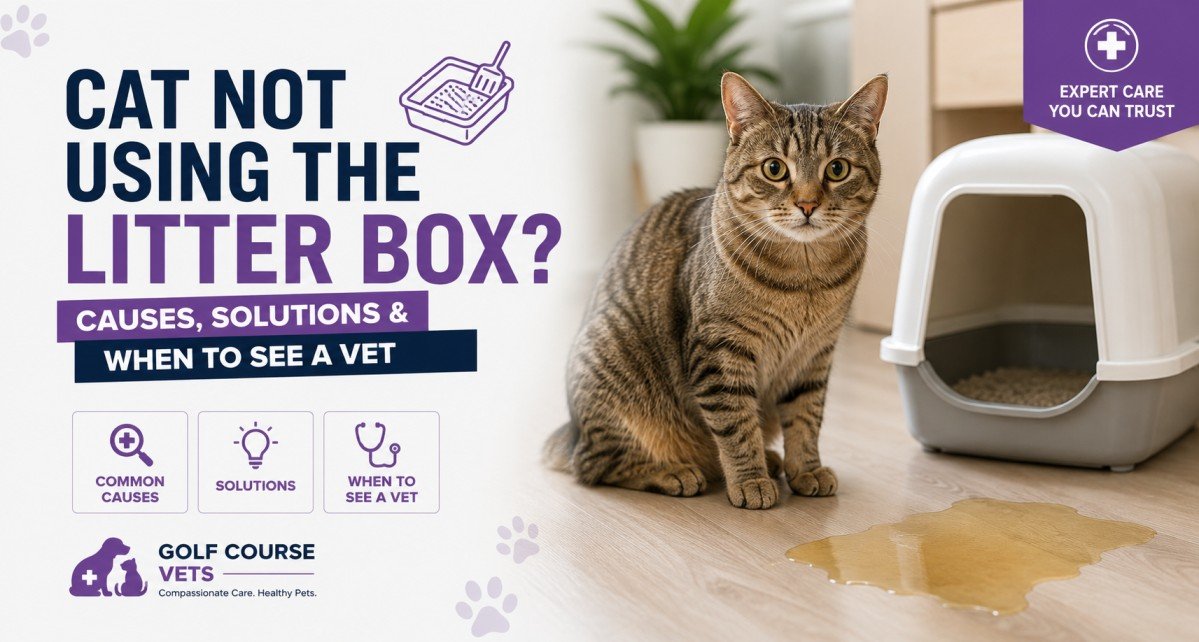
Cat Not Using the Litter Box? Causes, Solutions, and When to See a Vet
A cat that suddenly stops using the litter box can be frustrating for any pet owner. Finding urine or feces outside the litter tray is often seen as a behavioral issue, but in many cases, it is actually a sign that something is wrong. Cats are naturally clean animals and usually prefer to use their litter box consistently. When this habit changes, it’s important to identify the underlying cause rather than simply trying to correct the behavior.
Litter box problems can result from medical conditions, stress, environmental changes, or issues with the litter box itself. Understanding why your cat is avoiding the litter box is the first step toward solving the problem and protecting your pet’s health.
Why Cats Stop Using the Litter Box
A healthy cat that has been properly litter trained rarely stops using the litter box without a reason. Even small changes in your cat’s routine, environment, or health can lead to inappropriate elimination. Some causes are temporary and easy to resolve, while others require prompt veterinary attention.
Ignoring the problem can allow an underlying illness to worsen and may make the unwanted behavior more difficult to correct over time.
Medical Conditions That Can Cause Litter Box Problems
One of the most common reasons cats avoid the litter box is pain or discomfort while urinating or passing stool. Cats often associate the pain with the litter box itself and begin searching for other places to relieve themselves.
Urinary tract infections are a frequent cause and may lead to painful urination, frequent attempts to urinate, or blood in the urine. Bladder stones and urinary blockages are particularly serious conditions that require immediate veterinary care, especially in male cats.
Kidney disease can increase water intake and urination, making it difficult for some cats to reach the litter box in time. Diabetes can produce similar symptoms due to increased thirst and frequent urination.
Digestive disorders such as constipation, diarrhea, inflammatory bowel disease, or intestinal parasites may also contribute to litter box avoidance because using the box becomes uncomfortable.
Older cats may experience arthritis, making it painful to climb into a litter box with high sides. Providing an easily accessible litter tray can significantly improve comfort for senior pets.
Stress and Anxiety Can Affect Litter Box Habits
Cats are creatures of habit and can become stressed by even minor changes. Moving to a new home, introducing another pet, welcoming a new family member, loud construction, or changing daily routines may trigger litter box problems.
Stress-related urination often occurs outside the litter box as a way for cats to mark territory and feel more secure. Providing a calm environment and maintaining consistent routines can help reduce anxiety.
The Litter Box Itself May Be the Problem
Sometimes the issue isn’t your cat at all—it’s the litter box.
Cats can become reluctant to use a litter box that is dirty, too small, difficult to access, or located in a noisy area. Some cats dislike covered litter boxes, while others refuse certain litter textures or scented litter products.
Keeping the litter box clean by removing waste daily and replacing litter regularly encourages consistent use.
A general guideline is to have one litter box per cat plus one extra box in the household.
Signs That Require Immediate Veterinary Attention
While occasional accidents may not always indicate an emergency, certain symptoms should never be ignored.
If your cat strains to urinate, cries while using the litter box, passes blood in the urine, repeatedly enters the litter box without producing urine, or stops urinating altogether, immediate veterinary care is essential. Urinary blockages can become life-threatening within hours, particularly in male cats.
Vomiting, lethargy, loss of appetite, or hiding behavior along with litter box problems also require prompt medical evaluation.
How Veterinarians Diagnose Litter Box Problems
Your veterinarian will begin with a thorough physical examination and discuss your cat’s medical history, diet, environment, and recent behavioral changes.
Diagnostic testing may include urine analysis, blood tests, X-rays, ultrasound, or stool examinations depending on your cat’s symptoms. These tests help identify infections, kidney disease, bladder stones, diabetes, parasites, or other underlying conditions.
An accurate diagnosis allows treatment to address the root cause rather than simply managing the symptoms.
Effective Solutions for Litter Box Problems
Successful treatment depends entirely on identifying why your cat stopped using the litter box.
Medical conditions may require antibiotics, pain relief, dietary changes, urinary support, or surgery in severe cases.
Behavioral causes often improve by reducing stress, maintaining a consistent routine, providing environmental enrichment, and ensuring adequate litter box hygiene.
Choosing an appropriately sized litter box, using unscented litter, placing boxes in quiet locations, and cleaning them daily can significantly reduce inappropriate elimination.
Punishing your cat for accidents should always be avoided. Punishment increases stress and may worsen the problem rather than solving it.
Preventing Future Litter Box Issues
Routine veterinary examinations play an important role in preventing litter box problems by identifying illnesses before symptoms become severe.
Maintaining a clean litter box, feeding a balanced diet, encouraging adequate water intake, minimizing stressful changes, and observing your cat’s daily habits all contribute to healthy litter box behavior.
Early intervention is the best way to prevent small issues from becoming chronic problems.
Why Choose Golf Course Vets?
At Golf Course Vets, we understand that litter box problems are often a sign of an underlying medical or behavioral concern. Our experienced veterinary team provides comprehensive examinations, diagnostic testing, urinary health evaluations, nutritional guidance, and personalized treatment plans for cats of all ages.
Whether your cat has developed sudden litter box issues, urinary problems, kidney disease, or stress-related behavioral changes, we are committed to providing compassionate, evidence-based care to restore their comfort and well-being.
Conclusion
A cat that suddenly stops using the litter box is trying to communicate that something is wrong. While stress and environmental changes can contribute to the problem, many cases are linked to medical conditions that require professional evaluation.
If your cat continues to avoid the litter box, shows signs of discomfort while urinating, or develops frequent accidents, don’t wait for the problem to worsen. A veterinary examination can identify the underlying cause and help your cat return to healthy litter box habits as quickly as possible.
Frequently Asked Questions
Q1.Why is my cat suddenly not using the litter box?
Cats may avoid the litter box due to urinary tract infections, bladder stones, kidney disease, constipation, stress, arthritis, or an unsuitable litter box environment.
Q2.Is litter box avoidance always a medical problem?
Not always. While behavioral factors can contribute, medical conditions should always be ruled out before assuming the problem is behavioral.
Q3.When should I take my cat to the veterinarian?
Seek veterinary care immediately if your cat strains to urinate, cries in pain, has blood in the urine, or is unable to urinate.
Q4.Can stress cause litter box problems?
Yes. Moving house, introducing another pet, changes in routine, or household stress can all lead to inappropriate elimination.
Q5.How can I prevent litter box issues?
Keep litter boxes clean, provide enough litter trays, schedule regular veterinary check-ups, minimize stress, and monitor your cat for early signs of illness.