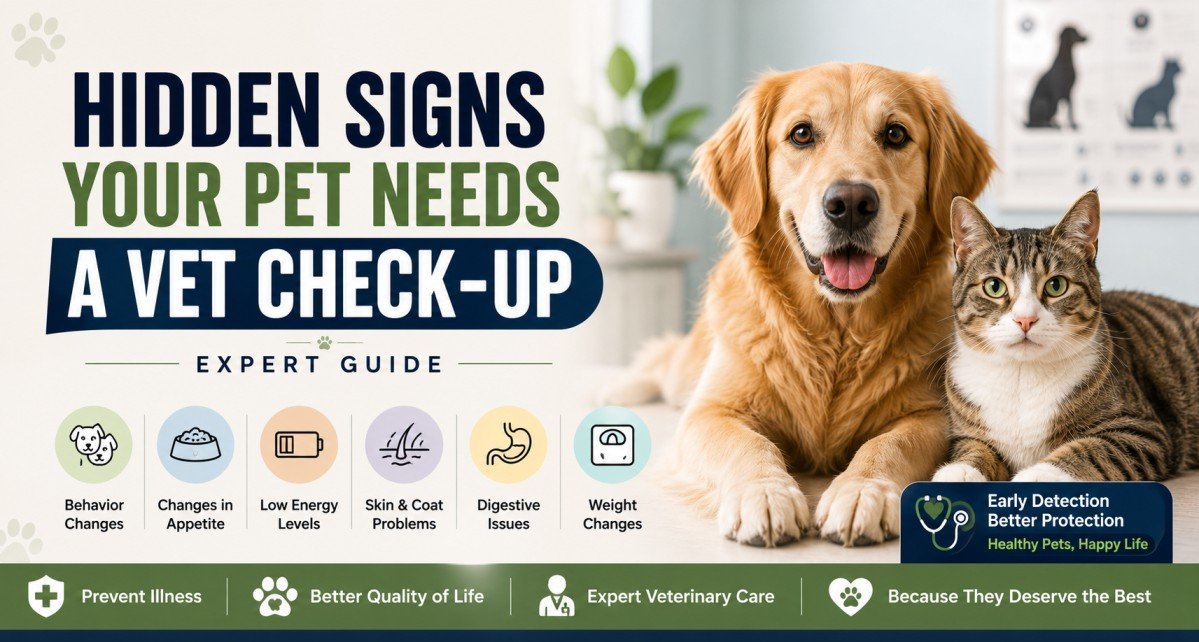
Signs Your Pet Needs a Health Check-Up Even If They Look Healthy
As pet owners, we often assume that if our dog or cat is eating well, playing normally, and wagging its tail or purring happily, everything must be fine. However, animals are remarkably good at hiding pain and illness. In the wild, showing weakness makes them vulnerable, and this natural instinct often continues even after they become beloved family pets. By the time obvious symptoms appear, an illness may already be in an advanced stage.
Routine veterinary health check-ups are one of the most effective ways to detect hidden medical conditions before they become serious. Regular examinations not only help your pet live a longer and healthier life but can also reduce treatment costs by identifying problems early.
Why Preventive Health Check-Ups Matter
Preventive veterinary care focuses on maintaining your pet’s health rather than simply treating diseases after they occur. During a routine examination, your veterinarian evaluates your pet’s overall condition, including body weight, heart function, lungs, skin, coat, ears, eyes, teeth, joints, and internal organs. Many conditions such as kidney disease, diabetes, arthritis, heart disease, dental infections, and thyroid disorders develop gradually without noticeable symptoms.
Detecting these problems in their early stages often leads to simpler treatment, better recovery, and improved quality of life.
Your Pet Is Slowing Down
Many owners believe that reduced activity is simply a sign of aging. While aging naturally affects energy levels, sudden or gradual decreases in activity may indicate arthritis, obesity, heart disease, anemia, chronic pain, or other underlying health concerns.
If your pet no longer enjoys walks, struggles to climb stairs, sleeps significantly more than usual, or seems less interested in play, a veterinary examination is recommended.
Changes in Eating or Drinking Habits
A healthy appetite is generally a good sign, but even small changes deserve attention. Eating less, drinking excessive amounts of water, or showing increased hunger can indicate medical conditions such as diabetes, kidney disease, liver disease, dental pain, or hormonal disorders.
Monitoring your pet’s daily eating and drinking habits helps identify subtle changes before they become major problems.
Unexplained Weight Gain or Weight Loss
Weight changes often occur gradually, making them easy to overlook. Unexpected weight loss may signal digestive disorders, parasites, diabetes, kidney disease, or cancer. Rapid weight gain could indicate hormonal imbalances, reduced activity, or improper nutrition.
Regular health check-ups include weight monitoring to ensure your pet maintains a healthy body condition.
Persistent Bad Breath
Many pet owners assume bad breath is normal, but it is often one of the earliest signs of dental disease. Untreated dental infections can cause pain, tooth loss, and allow bacteria to spread through the bloodstream, potentially affecting the heart, liver, and kidneys.
Routine dental examinations can identify problems before they become severe.
Changes in Skin or Coat
A healthy coat should appear clean, soft, and shiny. Excessive shedding, dry skin, dandruff, hair loss, itching, redness, or unpleasant odors may indicate allergies, parasites, fungal infections, hormonal disorders, or nutritional deficiencies.
Skin problems are often easier to treat when diagnosed early.
Changes in Bathroom Habits
Difficulty urinating, frequent urination, constipation, diarrhea, blood in urine, or changes in stool consistency should never be ignored. These symptoms may indicate urinary tract infections, kidney disease, digestive disorders, parasites, or bladder stones.
Prompt veterinary care helps prevent complications and improves recovery.
Small Lumps Can Become Big Problems
Not every lump is cancerous, but every new lump should be examined by a veterinarian. Early evaluation helps determine whether the growth is harmless or requires further testing.
Detecting tumors in their earliest stages significantly improves treatment outcomes.
Your Pet Is Constantly Scratching or Licking
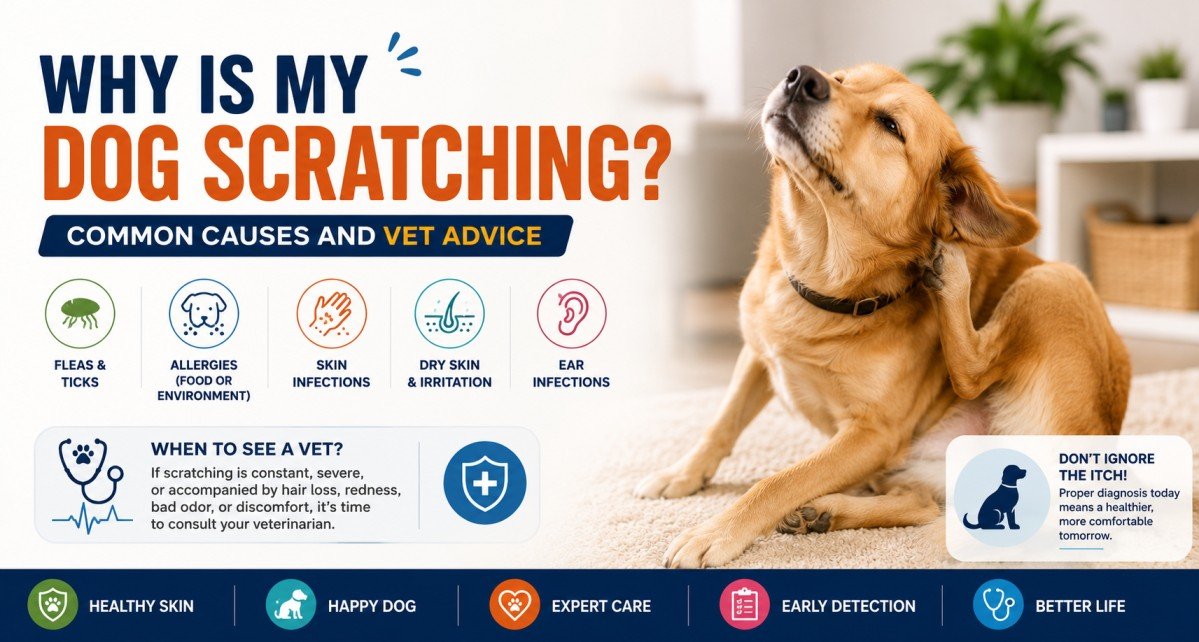
Occasional scratching is normal, but persistent itching, excessive licking, or chewing at the paws can indicate allergies, parasites, skin infections, or underlying pain.
Early treatment prevents secondary infections and keeps your pet comfortable.
Your Pet Is Becoming Less Social
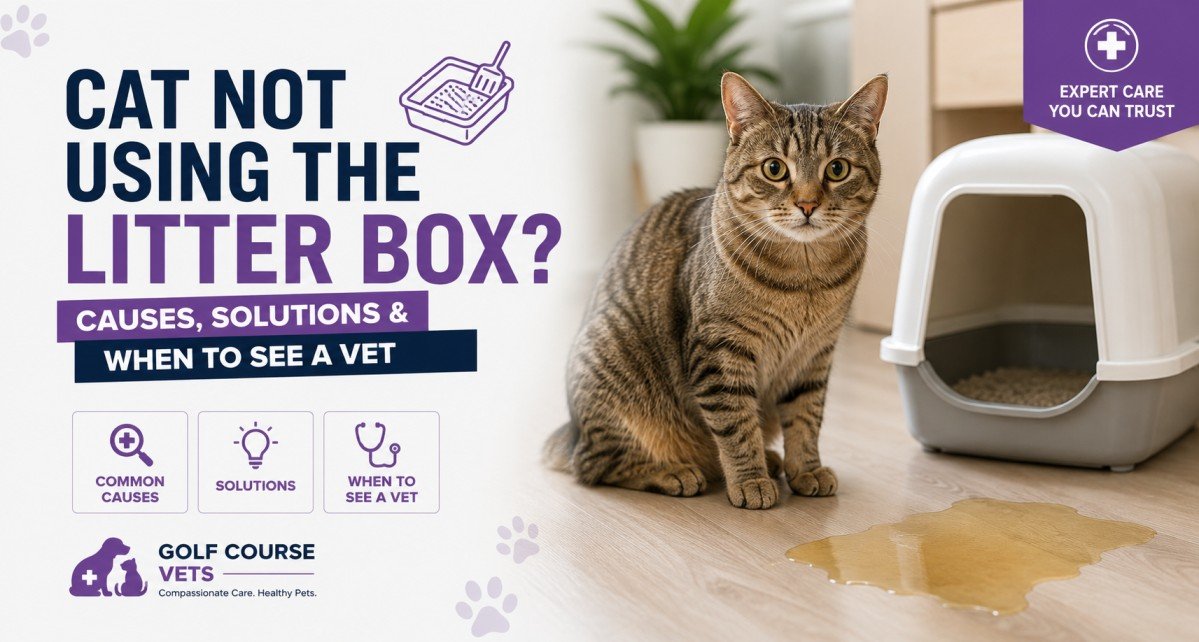
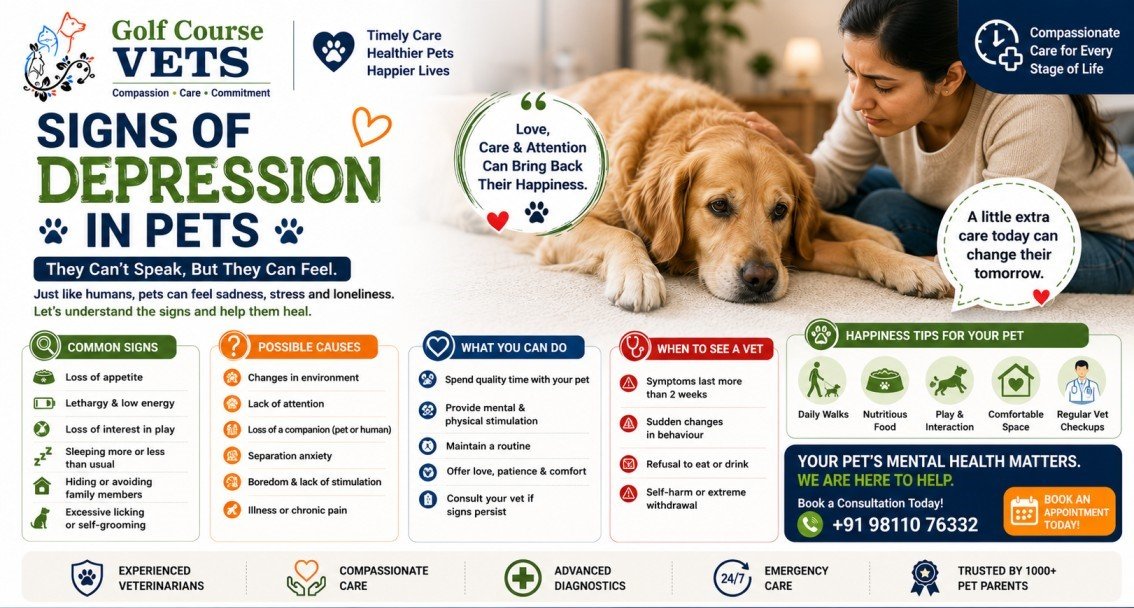
Behavioral changes often signal medical issues. A normally playful dog that suddenly becomes withdrawn or a friendly cat that starts hiding more frequently may be experiencing discomfort, pain, or illness.
Changes in personality should always be discussed with your veterinarian.
Vaccinations and Parasite Prevention Need Regular Updates
Even healthy pets require ongoing preventive care. Routine health visits ensure vaccinations remain up to date while protecting against fleas, ticks, worms, and other parasites that can threaten your pet’s health.
Preventive care is much safer and more affordable than treating preventable diseases.
What Happens During a Routine Health Check-Up?
A comprehensive veterinary examination typically includes checking your pet’s weight, temperature, heart rate, breathing, eyes, ears, mouth, teeth, skin, coat, abdomen, joints, and overall body condition. Depending on your pet’s age and medical history, your veterinarian may also recommend blood tests, urine analysis, parasite screening, or diagnostic imaging to identify hidden diseases before symptoms develop.
These evaluations provide valuable information about your pet’s long-term health.
How Often Should Your Pet Have a Health Check-Up?
Puppies and kittens usually require several veterinary visits during their first year for vaccinations, growth monitoring, and parasite prevention. Healthy adult dogs and cats should generally receive a complete health examination at least once every year. Senior pets, typically those over seven years of age, benefit from health check-ups every six months because age-related conditions can progress more rapidly.
Following a regular schedule allows your veterinarian to monitor changes over time and provide personalized healthcare recommendations.
Why Choose Golf Course Vets?
At Golf Course Vets, we believe prevention is the foundation of lifelong pet health. Our experienced veterinary team provides thorough health examinations, advanced diagnostic services, vaccinations, dental evaluations, nutritional guidance, and personalized wellness plans for dogs and cats of all ages.
We focus on detecting health concerns early, helping your pet enjoy a longer, healthier, and more comfortable life. Whether your companion needs a routine wellness exam or a comprehensive senior health assessment, our team is dedicated to providing compassionate, evidence-based veterinary care.
Conclusion
A healthy-looking pet is not always a healthy pet. Many illnesses develop quietly without obvious symptoms, making routine veterinary check-ups one of the most valuable investments you can make in your pet’s well-being. Regular examinations help identify hidden health issues, keep vaccinations current, monitor weight, and ensure your pet receives the preventive care needed to live a long and active life.
If your dog or cat has not had a health check-up recently, now is the perfect time to schedule a wellness examination and take a proactive step toward protecting their future health.
Frequently Asked Questions
Q1.How often should my pet have a health check-up?
Most healthy adult pets should visit the veterinarian once a year, while senior pets benefit from examinations every six months.
Q2.Can pets be sick without showing symptoms?
Yes. Dogs and cats often hide pain and illness, which is why routine health examinations are important for early diagnosis.
Q3.What is included in a pet health check-up?
A wellness exam typically includes a physical examination, weight assessment, dental evaluation, heart and lung check, skin examination, vaccination review, and recommendations for diagnostic tests if needed.
Q4.Why are preventive health check-ups important?
Preventive care helps detect diseases early, keeps vaccinations up to date, prevents parasite infestations, and improves your pet’s overall quality of life.
Q5.When should I take my pet to the veterinarian?
You should schedule a veterinary visit if you notice changes in appetite, weight, energy levels, behavior, bathroom habits, skin condition, or if your pet is due for a routine wellness examination.